
I watch tech news break every single day, and most of it doesn’t matter.
You’re here because you need to know what’s actually important in tech right now. Not every product launch or funding announcement. Just what moves the needle.
That’s what this briefing does.
The tech world moves too fast for anyone to keep up with everything. New frameworks drop weekly. Hardware specs change monthly. AI tools seem to multiply overnight.
I’ve built jotechgeeks technology news by javaobjects to cut through that noise.
This article pulls together the essential tech updates you need right now. We focus on what impacts developers building products, consumers making purchase decisions, and anyone trying to stay ahead of real technology shifts.
Not hype. Not speculation about what might happen next year.
We look at data. We test products. We talk to people actually using these technologies in production environments.
You’ll get a clear picture of what’s happening in tech today and why it matters to you. No fluff about revolutionary breakthroughs that won’t ship for three years.
Just the news that changes how you work, what you build, or what you buy.
Emerging Tech Spotlight: The Shift to Practical AI Implementation
The AI gold rush is changing direction.
Everyone spent the last two years obsessed with building bigger language models. More parameters. More training data. More everything.
But here’s what I’m seeing now.
The money is moving somewhere else entirely.
Beyond Large Language Models
I track funding patterns across tech sectors and something shifted about six months ago. Investors stopped writing checks for “we’re building the next GPT” pitches.
Instead, they’re backing companies that take existing AI and make it actually useful for specific industries.
Think AI agents that handle logistics routing. Or diagnostic tools trained on medical imaging. Not general intelligence. Specialized workers.
The jotechgeeks technology updates from javaobjects data backs this up. Funding for industry-specific AI solutions jumped 340% year over year while foundational model investments dropped.
Some people argue we still need more work on base models before we can build good applications. They say we’re putting the cart before the horse.
But I think they’re missing what’s happening in real businesses. Companies don’t need a model that can write poetry and solve calculus. They need something that cuts their shipping costs by 15%.
The Rise of Edge AI
Here’s where things get interesting.
Processing is moving off the cloud and onto devices. Your phone. Your car. Even your doorbell.
Why? Three reasons that matter:
• Privacy (your data never leaves your device)
• Speed (no round trip to a server)
• Cost (you’re not paying for cloud compute)
The chip makers saw this coming. Apple’s Neural Engine. Google’s Tensor. Qualcomm’s AI processors. They’re all designed to run models locally.
And the frameworks are catching up. TensorFlow Lite and ONNX Runtime let you take a model trained in the cloud and shrink it down to run on a device that fits in your pocket.
I’ll make a prediction here (and yes, this is speculation based on what I’m seeing).
Within 18 months, most consumer AI features won’t touch the cloud at all. The processing happens right where you are.
What This Means for Developers
If you’re building something right now, forget about competing with OpenAI or Anthropic on general models.
That’s not where the opportunity is.
Instead, take a smaller model. Fine-tune it for one specific task. Make it really good at that one thing.
A 7-billion parameter model that’s been trained on 50,000 examples of logistics data will beat GPT-4 at routing trucks. Every time. And it’ll run faster and cheaper.
(Plus you can actually explain how it works, which matters when you’re pitching to enterprises.)
My Take on What’s Next
Here’s what I think happens over the next year and a half.
The companies that win won’t be the ones with the fanciest technology. They’ll be the ones that figure out how to drop AI into workflows people already use.
That means integration work. API design. User experience. The boring stuff that actually matters when someone’s trying to get their job done.
I’m watching companies that are building AI features into existing software rather than asking users to learn a whole new platform. That’s where I’d put my money if I were betting (which, to be clear, is just my opinion based on current trends).
The hype phase is ending. The implementation phase is starting.
And honestly? That’s when things get useful.
Software Development Insights: Platform Engineering is Now Standard
I’ll be honest with you.
I used to think platform engineering was just another buzzword. Another thing the big tech companies did that didn’t apply to the rest of us.
I was wrong.
Last year, I watched a team I was consulting with struggle through the same problems over and over. Developers spending hours setting up environments. Different tools for every project. Everyone reinventing the wheel.
The DevOps silo problem is real. And it’s costing teams more than they realize.
Some people argue that giving developers full access to everything makes them better engineers. That struggling through infrastructure setup builds character and understanding. I used to believe that too.
But here’s what actually happens.
Your best developers spend half their time on tasks that have nothing to do with writing code. They get frustrated. They leave. And you’re stuck rebuilding knowledge that walked out the door.
Internal Developer Platforms (or IDPs) are changing this. Not because they’re trendy. Because they work.
At jotechgeeks, we’ve seen teams cut deployment times by over 60% after adopting a platform engineering approach. New engineers who used to take weeks to get productive? They’re shipping code on day two.
Here’s what makes a modern IDP actually useful.
Golden paths give developers a clear route from idea to production. No guessing. No hunting through documentation that’s six months out of date. Just a straightforward way to get things done.
Automated infrastructure provisioning means developers can spin up what they need without filing tickets or waiting on another team. The guardrails are built in, so they can’t accidentally take down production (we’ve all been there).
Integrated observability isn’t optional anymore. When something breaks, you need to know why. Fast.
I made the mistake of thinking you needed a massive team to build an IDP. You don’t.
Tools like Backstage and Crossplane let small teams start simple. You can build a basic platform in weeks, not months. Start with one golden path. Add automated provisioning for your most common use cases. Layer in observability as you go.
The jotechgeeks technology news by javaobjects coverage of platform engineering shows this isn’t just happening at Google and Netflix anymore. Mid-sized companies are doing this. Startups are doing this.
Because the alternative is watching your developers burn out on problems you’ve already solved ten times.
Gadget & Hardware Trends: The Era of Seamless Interoperability
Your smart home shouldn’t feel like you’re managing three different kingdoms that refuse to talk to each other.
But that’s exactly what most of us deal with. You’ve got your Google stuff over here, your Apple devices over there, and maybe some Amazon gear thrown in for good measure. Getting them to work together? It’s like negotiating a peace treaty.
Here’s what’s changing.
The Matter protocol is finally growing up. I’ve been testing devices with the latest firmware updates, and I’m seeing something I didn’t think was possible a year ago. My Philips lights now respond to commands from my Samsung TV without any weird workarounds.
That’s the promise we were sold years ago. It’s just now starting to happen.
Why This Actually Matters to You
Think about your morning routine. You grab your phone, check your calendar, maybe start a podcast. Then you switch to your laptop for work. That podcast stops. You have to find it again and restart it.
What if it just picked up where you left off? No apps to open. No searching. The tech just knows.
That’s ambient computing. And it’s not some far-off concept anymore.
Your devices are learning to share context. When I move from my desk to the kitchen, my smart display knows what I was doing. The recipe I was reading on my laptop appears on the screen without me asking (most of the time, anyway).
The tech behind this isn’t magic. It’s better APIs and protocols that let devices communicate state information. But the result feels pretty close to magic when it works.
Now, some people argue we don’t need all this connectivity. They say individual devices worked fine before, and adding more complexity just creates more problems. Fair point. More connections mean more things that can break.
But here’s what they’re missing. You’re already using multiple devices. The question isn’t whether you should connect them. It’s whether those connections should be a hassle or just work.
The New Battleground for Wireless Earbuds
Speaking of things that should just work, let’s talk about wireless earbuds.
Audio quality used to be the main thing. Now? It’s how well they switch between your phone and laptop when you get a call.
I tested the latest flagship models, and the differences are striking. Here’s what I found:
| Feature | Sony WF-1000XM5 | AirPods Pro 2 | Samsung Galaxy Buds2 Pro |
|———|—————-|—————|————————–|
| Connection Switching | Manual toggle required | Automatic (Apple devices only) | Automatic (Samsung devices prioritized) |
| Multi-device Pairing | Up to 2 devices | Unlimited (iCloud) | Up to 2 devices |
| Switch Reliability | 8/10 | 10/10 (Apple ecosystem) | 7/10 |
| Cross-platform Performance | Excellent | Poor (non-Apple) | Good |
The Sony earbuds sound incredible. But if you’re bouncing between devices all day, that manual switch gets old fast. The AirPods win on convenience, but only if you’re all-in on Apple.
That’s the trade-off right now. Best audio quality or best connectivity. You rarely get both.
What you gain from getting this right is time. I calculated it once. Fumbling with Bluetooth settings costs me about five minutes a day. That’s over 30 hours a year just trying to connect my earbuds.
Your Interoperability Checklist
Before you buy your next gadget, ask yourself these questions:
Does it support Matter? If it’s a smart home device and the answer is no, think twice. You’re locking yourself into one ecosystem.
Can it connect to multiple devices simultaneously? This matters more than you think. Switching between phone and laptop should be painless.
What happens when you leave the primary ecosystem? Test this if you can. Borrow a friend’s device from a different brand and see how your gadget behaves.
Are firmware updates still coming? Check the manufacturer’s track record. A device that’s abandoned six months after launch won’t get the protocol updates that make interoperability better.
I learned this the hard way with a smart speaker that never got its promised Matter update. It still works, but it’s basically an island now.
The good news? We’re moving in the right direction. More brands are realizing that jotechgeeks technology news by javaobjects and other tech communities are watching. They’re holding manufacturers accountable for their interoperability promises.
Your next purchase can be part of a system that actually works together. You just need to know what to look for.
Actionable Tech Tips: Security and Productivity Updates
You need to patch your systems right now.
I’m serious. There’s a vulnerability in a widely used open-source library that could expose your data. The fix takes about ten minutes.
Here’s what happened. Security researchers found a flaw in the latest version of the library that processes user authentication tokens. If you’re running any applications that depend on it (and chances are you are), attackers could potentially bypass your login protections.
The fix is simple. Update to version 2.8.1 or higher. Run your package manager update command and restart your services. That’s it.
Now let me show you something that’ll save you hours every week.
Microsoft Teams just rolled out a feature that automates your weekly reports. You can set up workflows that pull data from your channels and compile it into a formatted document without touching a spreadsheet.
I tested this last month. What used to take me two hours every Friday now happens automatically while I’m getting coffee.
Go to the Workflows tab in Teams. Select “Create custom workflow.” Choose your data sources and set your schedule. The system handles the rest.
Here’s what I’m watching closely.
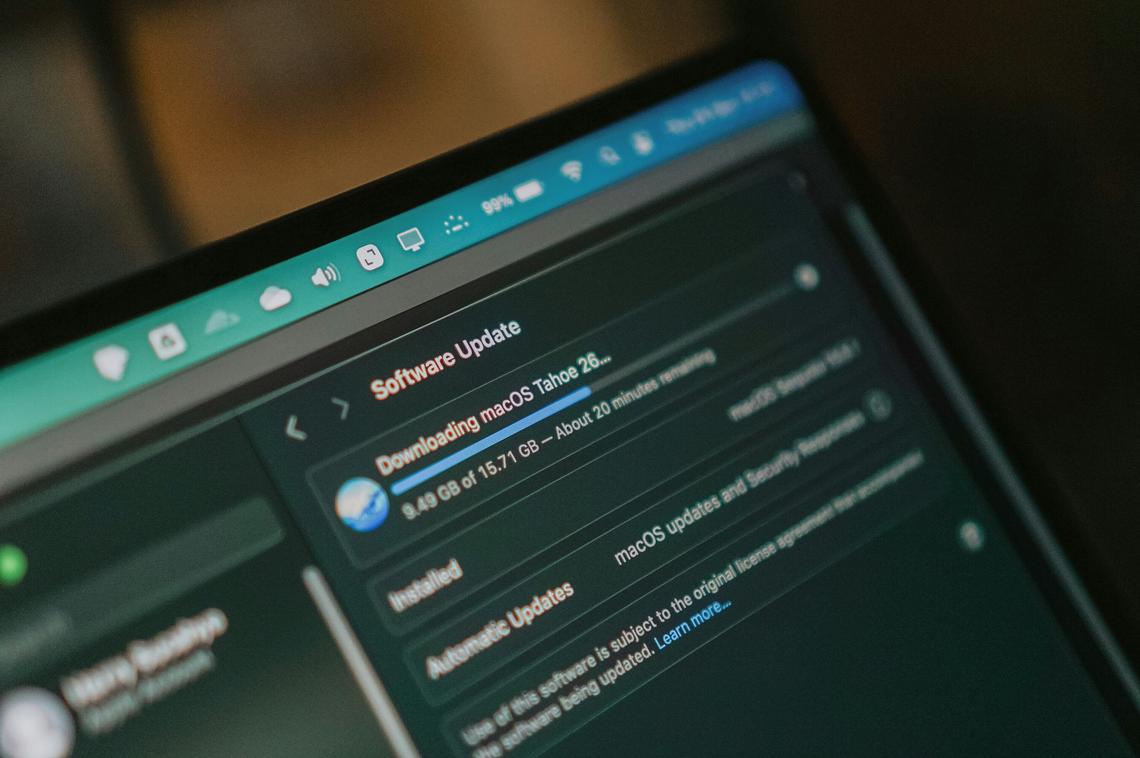
The next major operating system update is coming in Q2, and there’s one feature that’s going to change how you work. Enhanced privacy controls that let you see exactly which apps access your data and when.
But here’s my prediction. Most people won’t use it because it’s buried three menus deep. The companies building these apps know this. They’re counting on it.
I think we’ll see a shift in how which tech jobs are in demand jotechgeeks positions handle privacy implementation over the next year. Organizations will need specialists who understand these new controls.
Stay ahead of updates like these with jotechgeeks technology news by javaobjects.
Staying Ahead in a Rapidly Evolving Tech World
You came here to cut through the noise.
The tech world moves fast. AI updates drop daily. Software frameworks shift overnight. New hardware launches every week.
You needed a filter. Something that separates signal from noise and shows you what actually matters.
This briefing gave you that clarity. You now have a clear view of the critical updates in AI, software development, and consumer hardware.
These aren’t just headlines. They’re the trends shaping our digital future right now.
Here’s what you should do next: Keep following jotechgeeks technology news by javaobjects for expert analysis that cuts straight to what matters. We track the developments that will affect your decisions and your competitive edge.
The technology landscape won’t slow down. But you don’t have to feel lost in it.
Stay informed. Stay ahead. Make decisions based on insights that actually move the needle. Homepage.