
I’ve always been the person who needs to know how things work.
You probably are too. That’s why you’re here.
The problem is that tech news has become a wall of noise. Every company claims they’re changing the world. Every product launch gets hyped like it’s revolutionary. And somewhere in all that marketing speak, the actual interesting stuff gets buried.
I started jotechgeeks because I wanted a place where we could cut through that noise together.
This isn’t about chasing every shiny new gadget or breathlessly covering every press release. It’s about understanding what actually matters. Why a technology works the way it does. What makes one approach better than another. Where the real innovation is happening (and where it’s just clever branding).
We’re tech lovers talking to other tech lovers. No corporate speak. No dumbing things down. Just honest analysis from people who genuinely care about this stuff.
This article explores what it really means to be a technology enthusiast today. Not just someone who buys the latest phone, but someone who wants to understand the systems, the code, and the ideas that are shaping our world.
We’ll look at the mindset that drives us, the areas worth focusing on, and the practical ways to stay engaged without getting overwhelmed.
Because being a tech enthusiast isn’t about knowing everything. It’s about knowing what questions to ask.
Beyond the Hype: The Core Principles of the Enthusiast Mindset
Most people buy tech because it’s new.
Enthusiasts? We’re different.
I’m not talking about the guy who camps out for the latest iPhone just to post it on Instagram. That’s not enthusiasm. That’s consumerism with better marketing.
Real enthusiasts care about what’s under the hood.
Here’s what actually separates us from regular users:
- We ask why something works the way it does
- We tinker until we understand the limits
- We share what we learn with anyone who’ll listen
Some people think this is obsessive. They say we waste time on customization that doesn’t matter. That spending hours tweaking settings or building a PC from scratch is pointless when you could just buy something off the shelf.
But they’re missing the point entirely.
It’s not about the destination. It’s about understanding the tool you’re using every single day.
I’ve built systems that outlasted three generations of pre-built machines. Not because I’m some genius, but because I knew exactly what each component did and how to maintain it.
The jotechgeeks community gets this. We don’t just read spec sheets and call it a day. We test things in real conditions. We push hardware to see where it breaks. We write scripts that save us hours of repetitive work.
And when something goes wrong? We fix it ourselves.
That’s the difference. Consumers replace. Enthusiasts repair and improve.
The best part? None of us do this alone. Open-source projects thrive because people contribute solutions to problems they’ve actually faced. Forums exist because someone took time to answer a question they figured out months ago.
This mindset isn’t about owning the newest gadget.
It’s about mastery.
The Gadget Connoisseur: A Guide to Intelligent Tech Selection
You’ve been burned before.
That phone that slowed down after six months. The laptop that looked great in reviews but fell apart in real use. The smartwatch that promised everything but delivered half.
I see it all the time. People drop serious money on tech based on flashy launch videos and five-star reviews that read like they were written by the marketing team.
Here’s what nobody tells you.
Most reviews you read? They’re based on a week of use. Maybe two if you’re lucky. The reviewer gets their unit, runs some benchmarks, and moves on to the next thing.
But you’re not using that device for two weeks. You’re living with it for years.
Looking Past the Hype
When I evaluate tech at jotechgeeks, I start by ignoring the first month of reviews entirely. I wait for the people who’ve actually used the device through software updates, daily wear, and real-world conditions.
You want to know what breaks. What gets annoying. What features you thought you’d use but never touch.
Some people say specs are all that matter. Just compare the numbers and buy the one with better benchmarks. But that misses the whole picture. A phone with a slower processor but better software optimization will feel faster in your hands.
Build quality matters more than you think. Can you replace the battery? Will the screen hold up to drops? Does it feel solid or does it creak when you hold it?
I keep a simple checklist. Software update history from the manufacturer. Repairability scores. Real battery life (not what the spec sheet claims). How the device performs after six months based on user forums.
Lesser-known brands often surprise me. They can’t compete on marketing budget, so they compete on actual value. Better specs at half the price because you’re not paying for the logo.
But you need to check their track record with updates. A great device that gets abandoned after a year isn’t worth it.
Think about where tech is heading. Will this device work with the standards coming next year? Can it handle software updates for at least three years?
That’s how you buy smart instead of buying twice.
From User to Creator: Embracing the World of Software Development
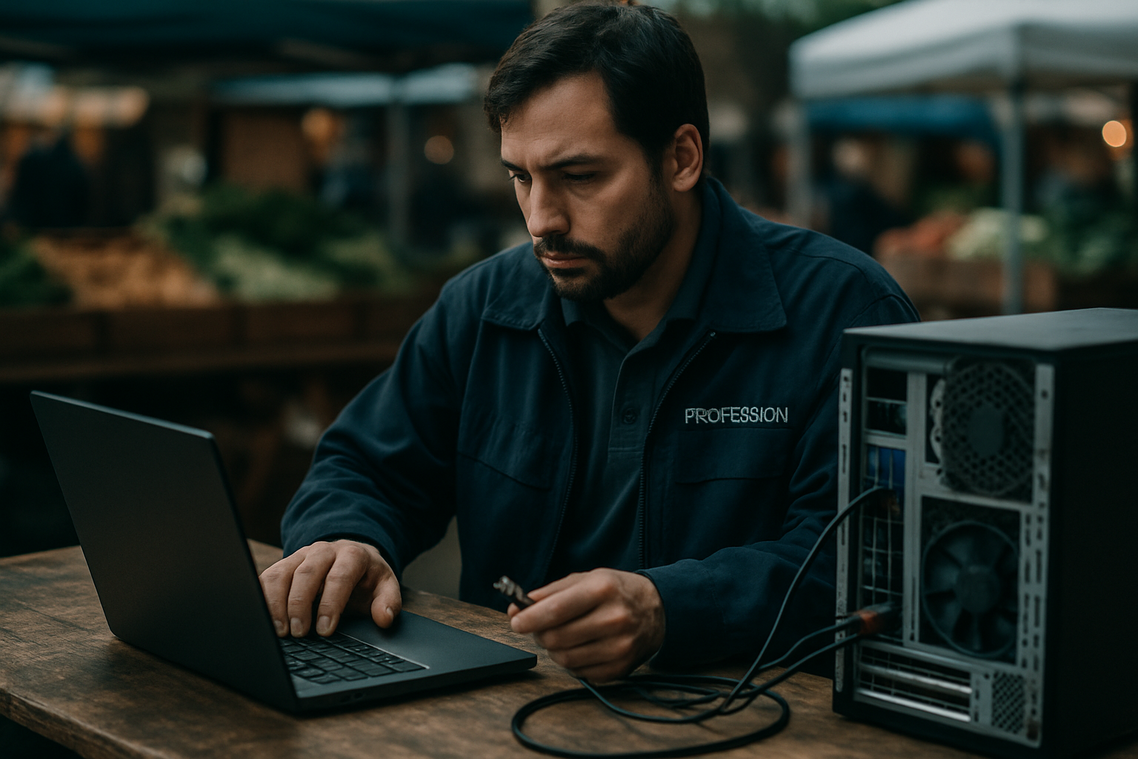
You’ve been using apps and software for years.
Maybe you’ve wondered how they actually work. Or caught yourself thinking you could build something better.
That curiosity? It’s how most developers start.
I see this pattern all the time. Someone gets frustrated with a tool or fascinated by how a game runs, and suddenly they’re Googling “how to code.” It’s not some grand career plan. It’s just genuine interest that won’t quit.
Why Making the Jump Makes Sense
Here’s what you gain when you move from user to creator.
You stop being limited by what others build. Need a tool that doesn’t exist? You can make it. Want to automate something boring? You know how.
The job market doesn’t hurt either. Companies are desperate for developers who understand both the technical side and what users actually need.
Some people say coding is getting too crowded. That AI will replace developers anyway, so why bother learning?
But that’s missing the point entirely.
AI tools like GitHub Copilot aren’t replacing developers. They’re making us faster. I use them myself (and yeah, they’re pretty helpful for the repetitive stuff). WebAssembly is opening doors to run code anywhere. And cybersecurity? That field is exploding because threats keep evolving.
The demand isn’t shrinking. It’s changing.
Open-source projects give you something school can’t. Real experience working with other developers. Code reviews from people who actually know what they’re doing. A portfolio that proves you can ship working software.
Plus, you’re building things people use. That matters more than you’d think.
Where to Actually Start
Python is your best first language. It reads almost like English and you can build real projects fast.
Pick a learning platform. freeCodeCamp if you’re broke. Codecademy if you want structure. The Odin Project if you prefer depth over hand-holding.
Then build something small. A calculator. A to-do list. Something you’ll actually use.
The jotechgeeks technology updates from javaobjects cover these shifts as they happen, which helps when you’re trying to figure out what’s worth learning next.
You don’t need to know everything before you start. You just need to start.
Unlocking Full Potential: Essential Tech Tutorials & Pro Tips
You’re probably using your computer at about 30% of what it can do.
I see it all the time. People buy powerful machines and then use them like glorified typewriters.
Now, some folks will tell you that learning shortcuts and system tweaks is a waste of time. They say you should just use your computer the way it works out of the box. Why complicate things?
Here’s my take.
That mindset keeps you slow. You end up clicking through five menus when you could’ve done the same thing in two seconds with a keyboard shortcut.
Let me show you what I mean.
Windows Power User Moves
Press Windows + V to open your clipboard history. You can copy multiple items and paste any of them later. Most people don’t even know this exists.
Want to take a screenshot of just one window? Alt + Print Screen does that. No need to crop later.
And if you’re on Mac, Command + Shift + 5 gives you every screenshot option you need in one place.
The Tools You Actually Need
I’m not going to list 50 apps you’ll never use. Here’s what matters.
Get a password manager. I recommend Bitwarden because it’s free and works everywhere. Stop reusing passwords.
For file management, try WinDirStat on Windows or DaisyDisk on Mac. They show you exactly what’s eating your storage space.
Fix Your Wi-Fi Right Now
Your router is probably sitting on the floor behind your couch. Move it higher and more central. That alone fixes most connection issues.
Log into your router settings (usually 192.168.1.1) and change the default admin password. Seriously. Do it today.
Switch to the 5GHz band if your devices support it. It’s faster and less crowded than 2.4GHz.
At jotechgeeks, we test these methods constantly. They work.
Lock Down Your Digital Life
- Turn on two-factor authentication everywhere it’s offered
- Use different passwords for every account (your password manager handles this)
- Check your browser’s privacy settings and block third-party cookies
Your data is worth protecting. These steps take 20 minutes total.
The Endless Frontier of Technology
Being a tech enthusiast isn’t about reaching some finish line.
It’s about the journey itself. The moment you stop learning is the moment you stop being an enthusiast.
I know the tech world feels overwhelming sometimes. New frameworks drop every week. Hardware specs change faster than you can keep up. The noise never stops.
But that’s exactly why the enthusiast mindset matters. It gives you a framework for cutting through the chaos and finding what actually matters to you.
Stay curious. Ask questions that make you uncomfortable. Engage with people who know more than you do (and share what you know with those who are just starting out).
Understanding beats consumption every single time.
Here’s what I want you to do: Pick one thing. Start a project you’ve been putting off. Learn that language you’ve been curious about. Write a tutorial for something you just figured out.
Share it with someone. That’s how you embody what it means to be a tech enthusiast.
The frontier keeps expanding. Your job is to keep exploring it.
Visit jotechgeeks to find the tools and insights that’ll keep you moving forward. Why Updates Are Important Jotechgeeks. What Tech Came Out in 2022 Jotechgeeks.