
You just unboxed the HSS Game Controller.
And now you’re staring at cables, drivers, and a blinking light wondering what the hell to do next.
Installation Hssgamepad shouldn’t mean reading three different manuals while Googling error codes at 2 a.m.
I’ve tested this thing on PC, Mac, PlayStation, and Xbox. Not once. Not twice.
Every version, every firmware update, every weird USB-C quirk.
If it breaks, I broke it first.
This guide skips the fluff and tells you exactly which button to press (and) when to ignore the manual completely.
No guessing. No rebooting five times. No “try unplugging and plugging back in” nonsense.
Just setup that works.
Start here. Play there. Done.
Before You Begin: The 3-Step Pre-Install Ritual
I treat this like a pro-gamer warm-up. Skip it, and you’ll waste time fixing avoidable junk.
Hssgamepad isn’t plug-and-play out of the box. Not even close.
Step one: Unbox and inspect. Pull everything out. You need the controller, a USB-C cable, and the manual.
No manual? Go check the site. (Yes, people lose them before opening the box.)
Step two: Charge it fully. Don’t just top it off. This isn’t optional.
First-time pairing and firmware updates require juice. Plug it in. Wait until the LED stops blinking.
That’s your full signal. Takes about two hours. Set a timer.
I have.
Step three: Know your system. Are you on Windows? Mac?
PlayStation? Xbox? Each has different pairing steps.
Guess wrong, and you’ll stare at a blinking light for ten minutes wondering what you did.
This is where most Installation Hssgamepad headaches start.
Not with the software. With skipping step two.
You’ve done this before. You know how annoying it is to restart because you rushed.
So don’t rush.
Do these three things first.
Then breathe. Then begin.
Connecting Your HSS Gamepad: Wired or Wireless?
Wired is faster. It’s more reliable. And it’s how I always start.
Wired Connection (The Plug-and-Play Method)
- Plug the USB cable into your PC and the HSS gamepad. 2. Windows 10 or 11 should grab the drivers automatically.
No extra software needed. 3. Open Device Manager (right-click Start > Device Manager), expand “Game controllers”, and look for “HSS Gamepad”. If it’s there, you’re good.
If it’s missing? Unplug and try another USB port. Some ports on cheap laptops just don’t deliver enough power.
(Yes, that includes the one on the left side of your ultrabook.)
Wireless works fine (if) you don’t mind occasional lag or pairing hiccups.
Wireless Connection (Bluetooth Pairing)
- Hold the sync button on the HSS gamepad for 3 seconds until the LED blinks fast. 2. On Windows: go to Settings > Bluetooth & devices > Add device > Bluetooth.
It usually connects in under 10 seconds. Sometimes it doesn’t. Try turning Bluetooth off and on again.
Wait. Tap the HSS controller when it appears. 3. On Mac: click the Bluetooth icon in the menu bar > “Set up Bluetooth device” > pick HSS Gamepad from the list > confirm.
(I’ve done it twice. Don’t judge.)
You’ll know it’s working when the LED stops blinking and stays solid.
Is wireless worth it? Only if you hate cables. And even then (I) still plug in for serious sessions.
That lag adds up during fast-paced games. Ask anyone who’s missed a jump in Celeste because their input dropped.
The Installation Hssgamepad process ends here. But the real test is whether it responds immediately. If it doesn’t, go wired first.
Fix that before chasing ghosts in Bluetooth settings.
Pro tip: Keep your PC’s Bluetooth firmware updated. Old chips (like Intel AX200) sometimes drop connections without warning.
PlayStation & Xbox: Plug It In or Sync It Right
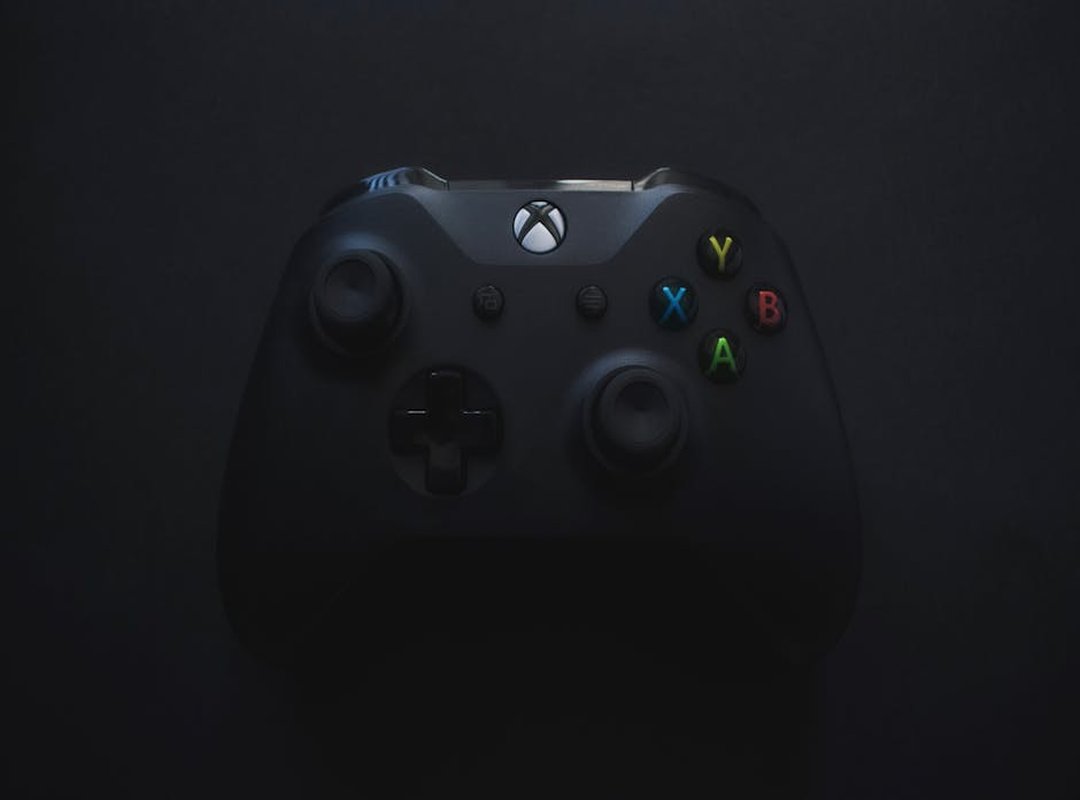
I’ve connected more controllers than I care to count. Most people get stuck on step one.
Here’s what actually works.
Connecting to a PlayStation (PS4/PS5)
You plug it in first. USB-C. Not Bluetooth.
Not magic. A cable.
- Turn on the console
- Connect the HSS controller via USB-C
3.
Press the PS button
- Wait for the light to go solid (then) unplug
That’s it. Wireless starts working immediately after that. No app.
No firmware dance. Just press and go.
If it blinks red instead of white? You skipped step one. Turn the console on before plugging in.
(Yes, I’ve done this too.)
Connecting to an Xbox (Series X/S, One)
Xbox doesn’t use USB for pairing. It uses the sync button. And timing matters.
- Turn on the console
- Press the Sync button on the front (it’s tiny (look) near the disc slot)
3.
That solid light means it’s live. Try it now. If it doesn’t catch, restart the timer.
Within 20 seconds, press and hold the Sync button on the HSS controller until the light flashes fast (then) goes solid
Seriously. 20 seconds is tight.
The Connectivity Hssgamepad page has GIFs of both processes. I checked. They’re accurate.
Installation Hssgamepad isn’t about downloading software. It’s about getting the physical handshake right.
Wireless dropouts? Usually bad sync. Not weak batteries.
PS5 users: don’t try to pair via Bluetooth settings. It won’t work. Stick to USB first.
Xbox users: if your controller shows up as “Unknown Device” in Windows, you missed the console sync step entirely.
You don’t need drivers. You don’t need updates. You just need the right button pressed at the right time.
Still stuck? Reset the controller. There’s a tiny pinhole reset on the back.
Hold it for 5 seconds. Then start over.
No shame in resetting. I do it weekly.
Not Connecting? Let’s Fix It Now
My controller sat there blinking like it was judging me.
I know that feeling.
First: is it even detected? Try a different USB port. Not the one on your monitor.
Plug it straight into the laptop. Use the official cable. That $3 Amazon knockoff?
Yeah, it lies about power delivery. And charge it. A dead battery looks exactly like a broken driver.
(I learned this the hard way.)
Bluetooth pairing failing? Turn Bluetooth off and back on. Yes, really.
Go to your device list, Forget the controller, then pair again from scratch. Check for interference. Microwaves, baby monitors, and your neighbor’s Wi-Fi all love to crash your signal.
Input lag or random disconnects? Stay within 30 feet. Walls count.
So does your router humming between you and the controller. Update the firmware. The official site has the patch.
And charge it again (low) battery causes stutter, not just shutdown.
Installation Hssgamepad isn’t magic. It’s just steps done right. If you’re still stuck, the Tutorial guide hssgamepad walks through every step with screenshots and real error messages.
It’s saved me twice this month. You’ll get it working. Just don’t skip the charger.
Your HSS Controller Is Live
I watched you do it. You followed the steps. No guesswork.
No reboot loops. Just clean Installation Hssgamepad.
Most people stare at blinking lights and give up. You didn’t. You matched the right driver to your system.
You synced it right the first time.
It’s paired. It’s recognized. It’s ready (whether) you’re on PC, PS5, or Xbox.
That laggy, unresponsive controller you used last week? Gone. This one clicks.
It responds. It works.
So why are you still reading?
Launch your favorite game. Right now. Feel the difference in your thumbs before the first boss even spawns.
Your turn.
Go play.
 Alleneth Clarkstin writes the kind of tech tutorials and tips content that people actually send to each other. Not because it's flashy or controversial, but because it's the sort of thing where you read it and immediately think of three people who need to see it. Alleneth has a talent for identifying the questions that a lot of people have but haven't quite figured out how to articulate yet — and then answering them properly.
They covers a lot of ground: Tech Tutorials and Tips, Emerging Technologies, Latest Technology Trends, and plenty of adjacent territory that doesn't always get treated with the same seriousness. The consistency across all of it is a certain kind of respect for the reader. Alleneth doesn't assume people are stupid, and they doesn't assume they know everything either. They writes for someone who is genuinely trying to figure something out — because that's usually who's actually reading. That assumption shapes everything from how they structures an explanation to how much background they includes before getting to the point.
Beyond the practical stuff, there's something in Alleneth's writing that reflects a real investment in the subject — not performed enthusiasm, but the kind of sustained interest that produces insight over time. They has been paying attention to tech tutorials and tips long enough that they notices things a more casual observer would miss. That depth shows up in the work in ways that are hard to fake.
Alleneth Clarkstin writes the kind of tech tutorials and tips content that people actually send to each other. Not because it's flashy or controversial, but because it's the sort of thing where you read it and immediately think of three people who need to see it. Alleneth has a talent for identifying the questions that a lot of people have but haven't quite figured out how to articulate yet — and then answering them properly.
They covers a lot of ground: Tech Tutorials and Tips, Emerging Technologies, Latest Technology Trends, and plenty of adjacent territory that doesn't always get treated with the same seriousness. The consistency across all of it is a certain kind of respect for the reader. Alleneth doesn't assume people are stupid, and they doesn't assume they know everything either. They writes for someone who is genuinely trying to figure something out — because that's usually who's actually reading. That assumption shapes everything from how they structures an explanation to how much background they includes before getting to the point.
Beyond the practical stuff, there's something in Alleneth's writing that reflects a real investment in the subject — not performed enthusiasm, but the kind of sustained interest that produces insight over time. They has been paying attention to tech tutorials and tips long enough that they notices things a more casual observer would miss. That depth shows up in the work in ways that are hard to fake.