
You’re drowning in design requests.
Your Instagram needs a post by noon. Your flyer for Saturday’s sale isn’t done. And that logo redesign?
You’ve been putting it off for three weeks.
You tried hiring a designer. Too expensive. You tried an agency.
Too slow. So you Googled “AI graphic design” and got hit with glittery demos and fake before-and-afters.
I’ve been there too.
I tested 12+ AI tools. Not just once, but across real jobs. Social posts that went live.
Logos your printer actually accepted. Marketing assets your team used without editing.
Not one of them is magic. Not one replaces judgment. But some do cut hours off your workflow (if) you know which ones to trust.
This isn’t about hype. It’s about what works today. What fits your brand.
What doesn’t force you to rework everything.
No vague promises. No “just click and done” nonsense.
If you need visuals that look like yours, not stock or slideshow clipart, this is where you start.
I’ll show you exactly which tools deliver (and) which ones waste your time.
And which ones actually handle print-ready files (yes, that matters).
You want usable output. Not novelty.
You want control. Not surrender.
Ai Graphic Design Gfxrobotection starts here.
AI Design Tools vs. Real Design Work
Gfxrobotection is the kind of tool that actually ships work (not) just pixels.
I used to think prompt engineering was enough. Then I watched a team waste two days tweaking MidJourney outputs to match their brand font. (Spoiler: it never matched.)
Standalone image generators spit out pretty pictures. That’s it. No templates.
No locked colors. No revision history. No way to enforce consistency across ten social posts.
Canva’s AI tools? They’re bolted onto a design app. Helpful, but fragile.
Change one setting and your whole brand kit vanishes. Adobe Firefly? Deep integration, yes (but) only if you’re already deep in Creative Cloud.
And good luck exporting at five exact sizes with naming rules.
Real AI Graphic Design Gfxrobotection means typography stays fixed. Colors don’t drift. Assets auto-pull from your library.
You click “revise” and see every change side-by-side.
One SaaS startup cut social graphic turnaround from 3 days to 45 minutes. Not because their prompts got better. Because their AI knew their brand cold.
You want speed? Fine. But not at the cost of control.
If your tool can’t lock a hex code, it’s not a design solution. It’s a distraction.
Ask yourself: how many hours this week did you spend re-exporting or renaming files?
That’s not design. That’s admin.
Fix that first.
The 4 Things Your AI Design Tool Actually Needs
I’ve watched designers waste weeks on tools that look slick until they try to ship real work.
Brand-consistent generation means your logo doesn’t stretch weirdly, your fonts don’t swap out, and your palette stays locked. Test it: upload your primary logo and generate five variations. Do all retain correct proportions and spacing?
If one pixel’s off, walk away.
Multi-format export isn’t optional. You need SVG for web, PDF for print, PNG for quick shares, and editable layers for handoff. Red flag: if it only gives you raster files, it’s not pro-grade.
Human-in-the-loop editing means you tweak a color or move a layer without regenerating everything. Try dragging a text box. Does it snap back?
Or does the whole layout reset? That tells you everything.
Compliance-ready outputs mean CMYK support, bleed settings, and ADA contrast checks baked in. Not as an afterthought. Not behind a paywall.
Run a test file through your printer’s preflight. Does it choke?
I go into much more detail on this in Robotic Software Gfxrobotection.
Most tools miss at least two of these.
Here’s what actually passes all four:
| Tool | Brand Consistency | Multi-Format Export | Human-in-the-Loop | Compliance-Ready |
|---|---|---|---|---|
| Figma AI | ✅ | ✅ | ✅ | ❌ |
| Adobe Firefly | ✅ | ✅ | ❌ | ✅ |
| Canva Pro | ❌ | ✅ | ❌ | ❌ |
| Illustrator (beta) | ✅ | ✅ | ✅ | ✅ |
| Affinity Designer | ✅ | ✅ | ✅ | ✅ |
Ai Graphic Design Gfxrobotection fails this bar. Hard.
AI or Human? Know When to Hit Pause
I used AI for 17 social banners last week. They went out on time. They looked fine.
But when my client asked me to redesign their investor pitch deck? I shut the AI off. Cold.
Here’s how I decide:
Is this seen by more than 10,000 people? → Yes → AI draft + human review. Is it the first thing someone sees about your company? → Yes → Human-led. AI only sketches early ideas.
Don’t feed those into AI. You’ll get consistency on the surface (and) confusion underneath.
Brand identity systems? Complex data visualizations? Campaigns where tone matters more than speed?
I saw a fintech rebrand do exactly that. Used AI across 12 touchpoints. Icons shifted slightly in weight, color, spacing.
Not enough to flag in QA, but enough to make users feel “off.” Trust dropped. Took a human audit to fix it.
Human designers now use AI like a sketchpad (rapid) iterations, fast mood boards, layout options in minutes. Then they step in. Refine.
Adjust. Feel the thing. That hybrid cut concept-to-final by 60% for one team I worked with.
Robotic Software Gfxrobotection is real. It’s why you need guardrails.
Ai Graphic Design Gfxrobotection isn’t magic. It’s a tool.
Use it like one.
Not every asset deserves AI. Some deserve your full attention. Ask yourself: Would I show this to my boss before it goes live?
If the answer isn’t yes (pause.) Bring in a person.
The Hidden Tax on Your AI Design Work
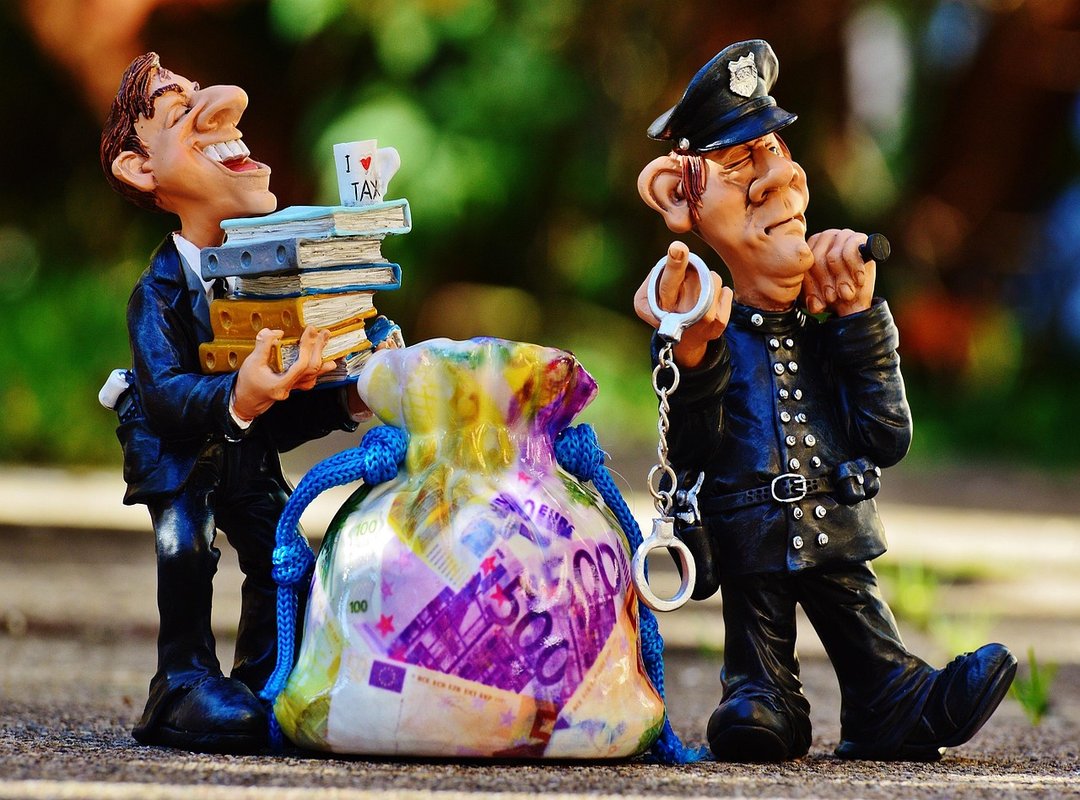
I’ve watched teams blow budgets on tools that looked cheap up front.
Then came the surprise fees. The rework. The late nights fixing what should’ve been simple.
Brand drift is real. It’s when your AI tool spits out five different logo variants (each) with slightly off kerning, mismatched weights, or inconsistent spacing. And no one notices until the client asks why the website looks nothing like the pitch deck.
(Spoiler: it’s not the designer’s fault.)
File bloat? Yeah. Some tools export 40MB PNGs instead of optimized SVGs.
Or flatten layers so developers can’t tweak colors without begging for source files. That kills handoff speed. Every time.
Licensing ambiguity is worse. One tool says “free to use” in the footer. But buried in section 4.2b is a clause saying commercial use needs a $99/month add-on.
I’ve seen studios get hit with takedown notices over this.
Before you sign anything, ask:
- What export formats does it actually support (not) just claim?
- Where is the commercial license written down? Not in marketing copy. In the Terms.
You don’t need more features. You need fewer surprises.
That’s why I use Robotic Application Gfxrobotection. It’s built around those guardrails. No drift.
Clean exports. Clear licensing.
Ai Graphic Design Gfxrobotection isn’t magic. It’s just honest.
Your Design Time Is Yours Again
I’ve watched designers burn hours on the same tasks. Resize. Recolor.
Re-export. Repeat.
You’re not lazy. You’re stuck in a loop that steals focus from real work.
That’s why I built the 4-capability filter. Not as theory. As a test.
Does it handle Ai Graphic Design Gfxrobotection? Does it plug into Figma or Adobe without breaking? Does it respect your brand colors, spacing, voice?
Does it let you edit (not) just generate?
If a tool fails one, it fails you.
So pick one thing this week. Blog images. Social banners.
Email headers. Apply the filter. Track the minutes you get back.
Most people wait for “the perfect tool.” You don’t have time for that.
Your brand deserves speed and precision (not) a trade-off between them.