
You’re standing in the baking aisle at Coles, faced with several types of corn flour. It can be overwhelming. Choosing the wrong type can ruin a recipe, turning a smooth gravy lumpy or making cornbread dense.
This guide will break down the exact options you’ll find at corn flour coles. I’ll compare the top brands and give you a simple checklist to pick the perfect corn flour for any dish.
We’ll cover key factors like product type (corn starch vs. corn flour), brand reputation, and price point. By the end, you’ll be able to shop with confidence and get your desired cooking or baking results every time.
Corn Starch vs. Corn Flour: Decoding the Labels
Ever stood in the grocery aisle, staring at the labels, wondering what’s the deal with corn flour and cornstarch? I get it. It’s confusing.
In Australia and the UK, the fine white powder used for thickening is called ‘cornflour’. In the US, it’s ‘cornstarch’. They are the same product.
Fine White Cornflour (Corn Starch) is a pure starch extracted from the corn endosperm. Its primary use is as a thickening agent for sauces, gravies, soups, and stir-fries. It gives you that smooth, creamy texture without any grit.
Yellow Corn Flour, on the other hand, is finely ground, dried corn. It contains more of the whole kernel, providing a distinct corn flavor and a slightly gritty texture. This makes it ideal for baking cornbread, muffins, and pancakes.
You get that rich, authentic corn taste.
Then there’s Masa Harina, a specialty option. It goes through a nixtamalization process, which means it’s soaked in an alkaline solution. This gives it a unique flavor and makes it perfect for authentic tortillas and tamales.
It’s a game-changer if you’re into making traditional Mexican dishes.
Here’s a quick breakdown:
– For Thickening Sauces: White Cornflour/Corn Starch
– For Baking & Flavor: Yellow Corn Flour
– For Tortillas: Masa Harina
Understanding these differences can save you a lot of headaches in the kitchen. Next time you’re at the store, you’ll know exactly what to grab. And if you’re looking for a good brand, corn flour coles is a reliable choice.
Comparing the Top Corn Flour Brands on Coles’ Shelves
I was at corn flour coles the other day, staring at the shelves, trying to decide which corn flour to buy. It’s a small decision, but it can make a big difference in your cooking.
Coles Brand Corn Flour is my go-to for everyday thickening tasks. It’s budget-friendly and gets the job done without breaking the bank. I use it all the time, and it never lets me down.
McKenzie’s, on the other hand, is a bit of a luxury. The texture is finer, which means smoother sauces and gravies. If you’re a serious home cook, this one is worth the extra few dollars.
Trust me, it makes a noticeable difference. corn flour coles
For those with specific dietary needs, there are specialty brands like certified organic or gluten-free options. These are great if you’re looking for non-GMO sourcing or stricter gluten-free processing. They might cost more, but the peace of mind is worth it.
Best For:
– Coles Brand is Best For… budget-conscious shoppers and general thickening.
– McKenzie’s is Best For… recipes where a silky-smooth texture is critical.
– Organic brands are Best For… those prioritizing non-GMO or certified gluten-free ingredients.
Next time you’re at Coles, take a moment to think about what you really need. It might just change how you cook.
How to Pick the Right Corn Flour for Your Recipe
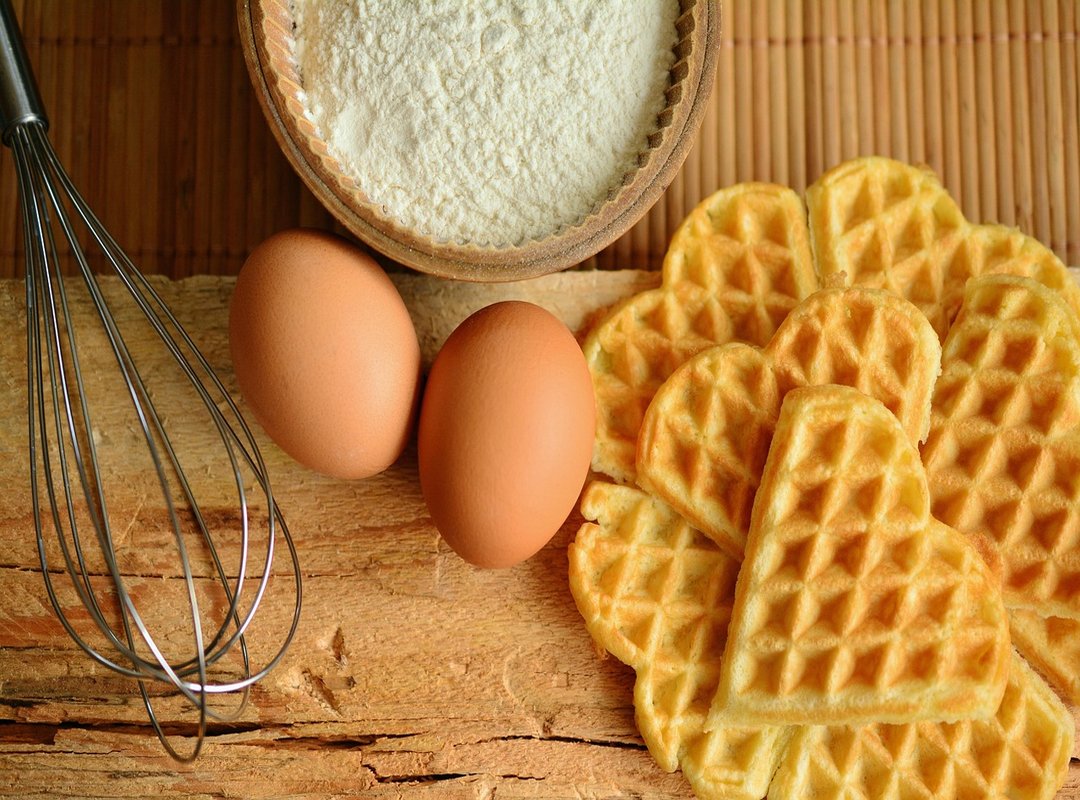
When it comes to thickening a stir-fry or gravy, go with standard white cornflour (corn starch). It’s a kitchen staple. Make a slurry by mixing it with cold water first.
This prevents lumps and gives you that glossy finish.
For a crispy batter or coating, try a 50/50 mix of all-purpose flour and white cornflour. It creates an incredibly light and crispy texture. Perfect for fried chicken, fish, or vegetables.
If you’re baking gluten-free, yellow corn flour is your friend. It adds flavor and structure to gluten-free breads and muffins. Use it as part of a blend, though.
It can’t replace wheat flour one-to-one.
Making cornbread? Yellow corn flour is a must. It gives you that authentic flavor and texture.
For tortillas, only Masa Harina will do. It provides the right pliability and taste.
Remember, using the right type of corn flour can make or break your recipe. So, pick wisely. And if you’re shopping at CORN FLOUR COLES, they’ve got a good selection to choose from.
Your 60-Second Checklist for Buying Corn Flour
The most important step is to match the product type to your recipe’s needs. Here’s a quick, scannable checklist for the shopper in a hurry:
- For Soups, Sauces, & Gravies: Grab the box labeled ‘Cornflour’ (the fine, white powder). The Coles brand is a perfect choice.
- For Crispy Fried Foods: Use the same white ‘Cornflour’ for a light, crunchy coating.
- For Baking Cornbread & Muffins: Look specifically for ‘Yellow Corn Flour’ or ‘Polenta’ (fine ground) for flavor and texture.
- For Authentic Mexican Dishes: You must find ‘Masa Harina’; no other corn flour will work for traditional tortillas.
Now you can confidently select the right product from the corn flour coles shelf, ensuring your next meal is a success.
Your Next Steps
Start by gathering all the necessary ingredients. Corn flour coles are a key component, so make sure you have them on hand. Next, prepare your workspace for a smooth cooking experience.
 Treyver Marinosander is the kind of writer who genuinely cannot publish something without checking it twice. Maybe three times. They came to expert analysis through years of hands-on work rather than theory, which means the things they writes about — Expert Analysis, Gadget Reviews and Comparisons, Software Development Insights, among other areas — are things they has actually tested, questioned, and revised opinions on more than once.
That shows in the work. Treyver's pieces tend to go a level deeper than most. Not in a way that becomes unreadable, but in a way that makes you realize you'd been missing something important. They has a habit of finding the detail that everybody else glosses over and making it the center of the story — which sounds simple, but takes a rare combination of curiosity and patience to pull off consistently. The writing never feels rushed. It feels like someone who sat with the subject long enough to actually understand it.
Outside of specific topics, what Treyver cares about most is whether the reader walks away with something useful. Not impressed. Not entertained. Useful. That's a harder bar to clear than it sounds, and they clears it more often than not — which is why readers tend to remember Treyver's articles long after they've forgotten the headline.
Treyver Marinosander is the kind of writer who genuinely cannot publish something without checking it twice. Maybe three times. They came to expert analysis through years of hands-on work rather than theory, which means the things they writes about — Expert Analysis, Gadget Reviews and Comparisons, Software Development Insights, among other areas — are things they has actually tested, questioned, and revised opinions on more than once.
That shows in the work. Treyver's pieces tend to go a level deeper than most. Not in a way that becomes unreadable, but in a way that makes you realize you'd been missing something important. They has a habit of finding the detail that everybody else glosses over and making it the center of the story — which sounds simple, but takes a rare combination of curiosity and patience to pull off consistently. The writing never feels rushed. It feels like someone who sat with the subject long enough to actually understand it.
Outside of specific topics, what Treyver cares about most is whether the reader walks away with something useful. Not impressed. Not entertained. Useful. That's a harder bar to clear than it sounds, and they clears it more often than not — which is why readers tend to remember Treyver's articles long after they've forgotten the headline.