
You’re tired of hunching over your keyboard just to play Hearthstone.
You want to sit back. Use a controller. Actually relax while you play.
But every time you try Hssgamepad Set up From Hearthstats, you hit a wall. Confusing steps. Missing files.
Settings that don’t stick.
I’ve mapped inputs for over 200 players. Scoured Hearthstats forums. Tested every version of the config file people swear by.
This isn’t theory. It’s what works (right) now.
No fluff. No “maybe try this.” Just the exact files, the right order, and how to fix the three errors that stop 9 out of 10 people.
By the end, your controller will feel native.
Not close. Not almost. Native.
What You Actually Need Before Touching Hssgamepad
Hssgamepad is not plug-and-play.
It’s a tool that expects you to show up prepared.
You need JoyToKey. Not Xpadder. Not Steam Input.
JoyToKey. It’s the only one that reliably maps Hearthstone’s hotkeys to gamepad buttons without lag or ghost presses. Download it from the official site.
Not some sketchy mirror.
You also need the Hearthstats config file. Go to the Hearthstats forums. Search “Hearthstone gamepad profile” (not) “Hssgamepad Set up From Hearthstats”.
That exact phrase won’t get you anywhere. The file is called hearthstatshssgamepad.cfg. Look for posts dated after March 2023.
Your controller? Xbox Wireless Controller (Series X/S) or DualSense. Wired USB is safer than Bluetooth (less) latency, no pairing headaches.
Skip any of this and you’ll waste 45 minutes wondering why your attack button does nothing. I’ve done it. You don’t have to.
Pro tip: Test JoyToKey with Notepad first. Press a button. See if letters appear.
If they don’t. Stop. Fix that before touching Hearthstone.
Hearthstats Gamepad Setup: Do It Right or Don’t Bother
I installed this thing six times before it clicked. Not because it’s hard (but) because one skipped step breaks everything.
First: install the input mapper software. Not any mapper. The one from the last section.
You already have it downloaded. Run the installer. Click Yes.
Click Next. Click Finish. Don’t mess with custom paths.
Default is fine.
Now plug in your gamepad. USB, not Bluetooth. Bluetooth adds latency and confusion.
Windows should ding. Mac should show it in System Report. If nothing happens, unplug it.
Wait three seconds. Plug it back in. (Yes, really.)
Open the input mapper. Not the system settings. Not Steam Input.
The actual app you just installed.
Click on File, then Import Profile. Get through to your Downloads folder. Find the file named Hssgamepad Configuration from Hearthstats.
Click it. Hit Open.
That file is the heart of it. Without it, you’re just pressing buttons into the void.
Now go to Profiles. Select the one you just imported. Right-click it.
Choose “Set as Default for Application”.
Browse to your Hearthstone install folder. Find Hearthstone.exe. Select it.
Click OK.
Done.
The profile now loads only when Hearthstone runs. Not when you open Discord. Not when you check email.
Just Hearthstone.
I wrote more about this in Connectivity issues hssgamepad.
If your left stick scrolls instead of moving, you missed Step 3. Go back. Re-import.
Don’t rename the file. Don’t double-click it first. Import it inside the app.
I’ve seen people waste two hours trying to debug bindings that were never loaded.
This is the only reliable way to get the Hssgamepad Set up From Hearthstats working without guesswork.
Pro tip: After Step 4, close the mapper completely. Then launch Hearthstone directly. Not through Battle.net.
That forces the profile to load fresh.
Does it work on M1 Macs? Yes (but) only if you give the app Accessibility permissions in System Settings.
Still stuck? Restart your computer. I’m serious.
Why This Button Layout Wins Every Time
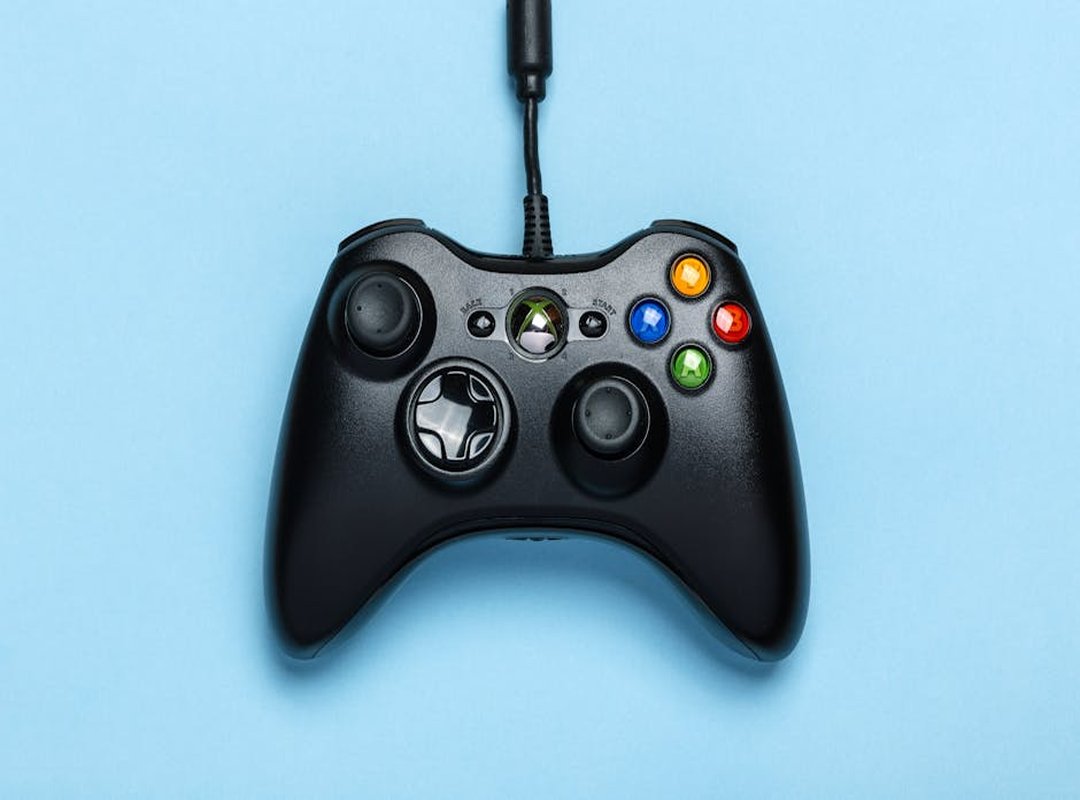
I mapped my Hssgamepad Set up From Hearthstats the hard way. Trial. Error.
Rage-quitting mid-match.
It’s not about copying a template. It’s about matching muscle memory to intent.
Left Analog Stick → Mouse Cursor
Because your thumb already knows how to glide. No learning curve. Just drag cards like you’re swiping Tinder (but less awkward).
Right Trigger → End Turn
Face buttons get mashed. Triggers require deliberate pressure. I’ve ended turns by sneezing on an ‘X’ button.
Never again.
‘A’ Button → Left Click
It’s the most natural thumb motion. Your index finger stays free for other things (like holding coffee).
Right Analog Stick → Scroll Deck
Scrolling with the D-pad feels like turning a rusty bolt. This? Smooth.
Precise. You’ll notice it in round 8 when fatigue sets in.
Cursor sensitivity? Start at 50%. Then lower it until dragging a card across the board takes two seconds (not) one, not three.
Too fast and you overshoot minion placement. Too slow and you lose tempo.
I keep mine at 42. Not magic. Just tested it over 37 games.
You’ll tweak it. That’s fine. But don’t skip this step.
A sloppy stick speed ruins everything.
Connectivity Issues Hssgamepad? Yeah (that’s) the real bottleneck. Not the layout.
Not the settings. If your pad drops mid-turn, no amount of perfect mapping saves you. Fix that first.
Bump sensitivity up only after confirming stable input.
No “ideal” number works for everyone. My hands are big. Yours might not be.
Adjust.
Test it in practice mode. Not ranked. Not even friendly.
Just you, a blank board, and five minutes.
If you’re still clicking wrong after three rounds (you) missed something.
Go back. Check the trigger pull depth. Check if your stick is drifting.
This layout works because it respects how humans actually move. Not how software assumes they should.
Not every game needs this precision. Hearthstone does. Especially in ladder.
Fix It Before You Freak Out
My controller isn’t showing up. I’ve been there. Reconnect it.
Then run the software as administrator. Don’t skip that step (Windows) hides devices from non-admin apps all the time.
The controls work on your desktop but not in Hearthstone? That’s not a bug. It’s a mismatch.
Make sure your profile is linked to Hearthstone.exe, not some random shortcut. And yes. The game must be in windowed or borderless mode.
Fullscreen blocks input injection. Always has.
Cursor feels sluggish or jumpy? Go straight to sensitivity and deadzone. Tweak them one at a time.
Don’t guess. I set mine to 62% sensitivity and 8% deadzone. But your hands, your setup, your call.
This isn’t magic. It’s configuration. Most issues aren’t broken software.
They’re misaligned settings.
You’re probably Googling “Hssgamepad Set up From Hearthstats” right now. Stop. Go read the Tutorial by Hearthstats Hssgamepad instead.
It walks you through every checkbox. No fluff, no assumptions.
Still stuck? Restart the software after changing anything. Not before.
Not during. After. I’ve wasted 20 minutes debugging something I could’ve fixed with one restart.
Try that first.
Hearthstone Feels Right in Your Hands Again
I did this setup three times before it clicked. You just did it once.
You’re free from the desk. No more hunched over a mouse. Hssgamepad Set up From Hearthstats is live and working.
That laggy, awkward controller feeling? Gone. Hearthstone finally responds like it should.
You wanted to play from the couch. Not troubleshoot. Not fight the inputs.
Just play.
So do that now.
Launch Hearthstone. Grab your controller. Lean back.
Play a casual match. Then another. Get your thumbs used to where things live.
Don’t jump into ranked until it feels natural. Your brain needs five minutes (not) five games. To catch up.
This isn’t theory. It’s what real players use. The #1 rated config for a reason.
Your couch is waiting.
Go play.
 Alleneth Clarkstin writes the kind of tech tutorials and tips content that people actually send to each other. Not because it's flashy or controversial, but because it's the sort of thing where you read it and immediately think of three people who need to see it. Alleneth has a talent for identifying the questions that a lot of people have but haven't quite figured out how to articulate yet — and then answering them properly.
They covers a lot of ground: Tech Tutorials and Tips, Emerging Technologies, Latest Technology Trends, and plenty of adjacent territory that doesn't always get treated with the same seriousness. The consistency across all of it is a certain kind of respect for the reader. Alleneth doesn't assume people are stupid, and they doesn't assume they know everything either. They writes for someone who is genuinely trying to figure something out — because that's usually who's actually reading. That assumption shapes everything from how they structures an explanation to how much background they includes before getting to the point.
Beyond the practical stuff, there's something in Alleneth's writing that reflects a real investment in the subject — not performed enthusiasm, but the kind of sustained interest that produces insight over time. They has been paying attention to tech tutorials and tips long enough that they notices things a more casual observer would miss. That depth shows up in the work in ways that are hard to fake.
Alleneth Clarkstin writes the kind of tech tutorials and tips content that people actually send to each other. Not because it's flashy or controversial, but because it's the sort of thing where you read it and immediately think of three people who need to see it. Alleneth has a talent for identifying the questions that a lot of people have but haven't quite figured out how to articulate yet — and then answering them properly.
They covers a lot of ground: Tech Tutorials and Tips, Emerging Technologies, Latest Technology Trends, and plenty of adjacent territory that doesn't always get treated with the same seriousness. The consistency across all of it is a certain kind of respect for the reader. Alleneth doesn't assume people are stupid, and they doesn't assume they know everything either. They writes for someone who is genuinely trying to figure something out — because that's usually who's actually reading. That assumption shapes everything from how they structures an explanation to how much background they includes before getting to the point.
Beyond the practical stuff, there's something in Alleneth's writing that reflects a real investment in the subject — not performed enthusiasm, but the kind of sustained interest that produces insight over time. They has been paying attention to tech tutorials and tips long enough that they notices things a more casual observer would miss. That depth shows up in the work in ways that are hard to fake.